Why Me?
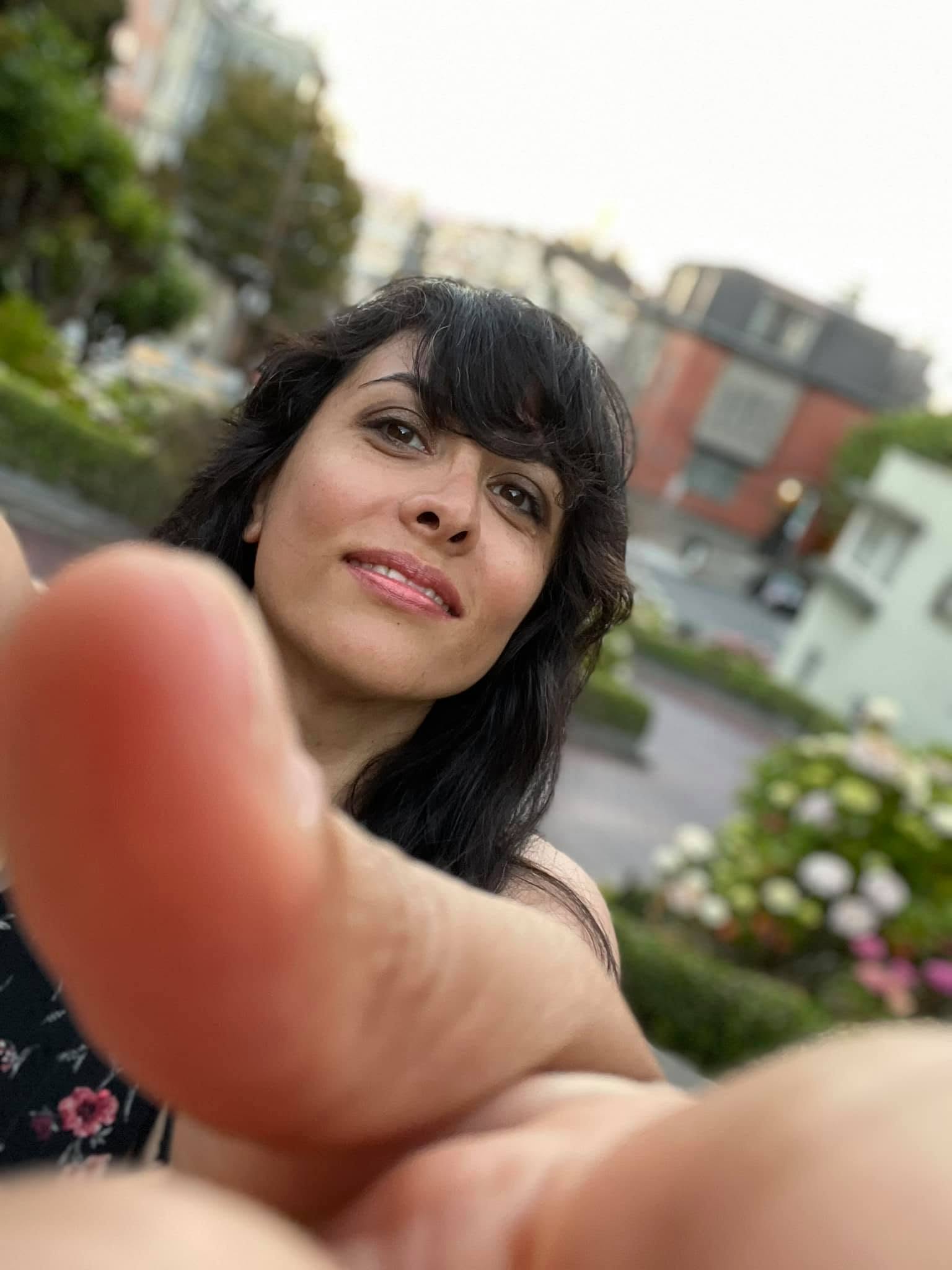
Atoosa Biglari
A Note at the Top of My Website
I always remember the brave lives lost in the struggle for freedom of speech on the internet, and the people who refused to allow their names and voices to disappear.
If you came here to learn my name, I would also like you to know hers: Gohar Eshghi. Search for Gohar Eshghi
Existence, God, and Surprise
I adore the surprises of existence.
When I see my Mom’s new hair style and lip stick on I pray .When I see my sisters face someone in me talks with me and tell me “ We didnt broke girls !We fought, we survived “ .
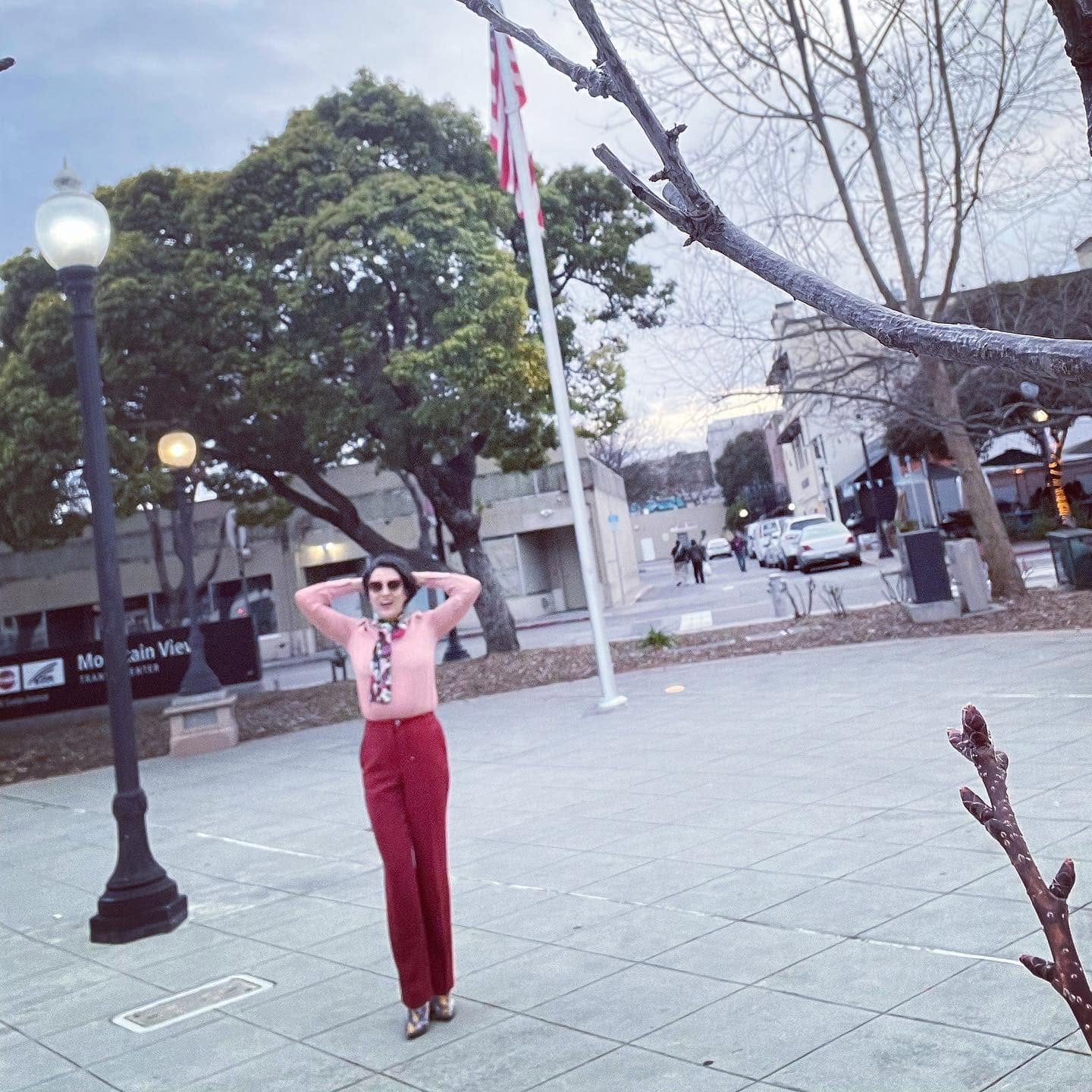
When I see the American flag, I pray. When I see something for the first time in my life, I pray. When I feel connected, I pray. When I see a baby, I pray. When I see a flower, I pray.
Prayer, for me, does not always begin with fear. Often it begins with amazement.
Sometimes with the face of someone whose life began ten thousand miles away from mine. Sometimes with the feeling that, for one second, I am completely connected to the world around me.
I feel lucky, by God's will, that I came to California and found myself surrounded by people from nearly every part of the world. Sometimes I think California is one of the few places where you can sit in one café and hear five civilizations speaking at neighboring tables.
I love that.
I love America.
My relationship with America is not shallow patriotism. America has given me beauty, opportunity, friendship, difficulty, pain, contradiction, and freedom. It has wounded me and sheltered me. It has disappointed me and amazed me.
And when I see its flag, I still pray.
About Atoosa
I am Atoosa Biglari, a Technical Program and Project Manager working across AI, cloud, infrastructure, enterprise technology, networking, data centers, migrations, and transformation. But "project manager" is not the first thing I would tell you about myself, because my work is only one part of me.
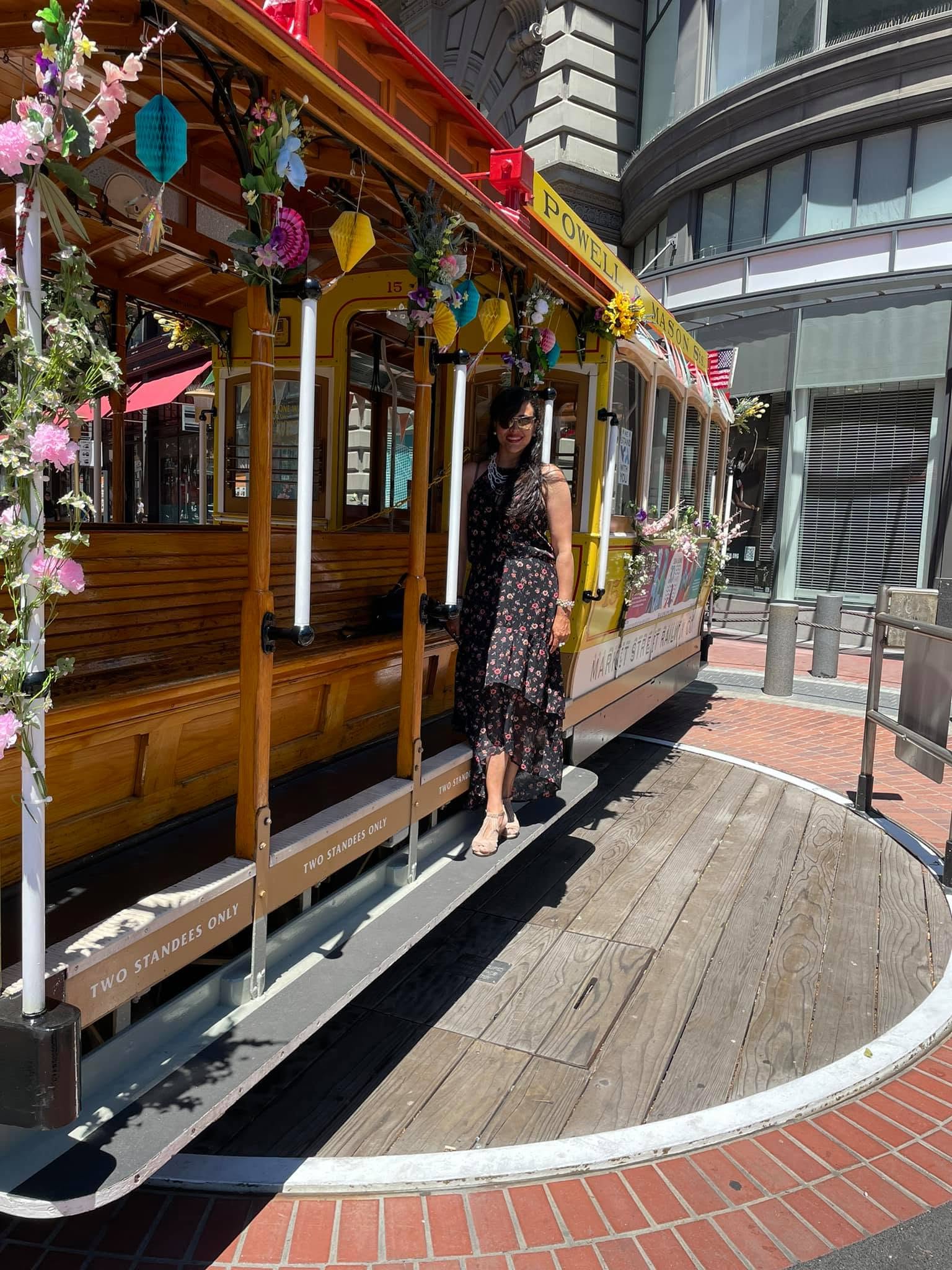
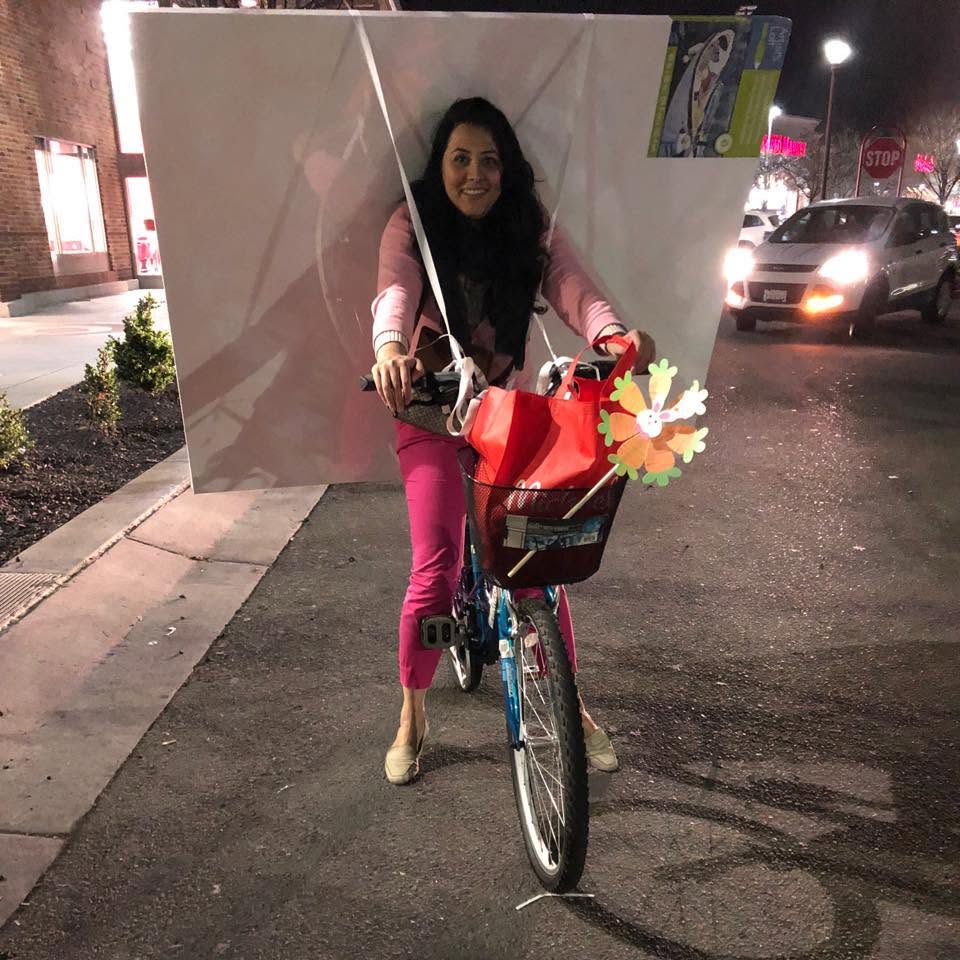
I write. I paint. I draw. I sing. I ride bicycles. I love boats, running, hiking, mountains, walking endlessly through cities, and discovering places that have been there all along but are new to me. I love art and exhibitions of almost every kind. I love modern art, international music, Russian art and cinema, Japanese culture, Italian sculpture, African history, books, magazines, international food, football, cinema, markets, thrift stores, handmade crafts, colors, and traveling—even if the journey is only across a small city.
I love walking through markets because markets show me how people live. I love little handmade things. I shop in thrift stores because, in the small way available to me, I like the idea of reusing what already exists instead of always demanding something new from the earth. It feels like a tiny act of care for humanity and the environment.
I love ice cream more than almost anything.
I used to read books constantly, and I have collected many library cards over the years. Today I often listen to books. I am also a trained fast reader, and I still enjoy simply turning through magazine pages and reading titles. Sometimes a title opens an entire subject in my mind before I have even read the article.
I am a football fan. I support Taj, and internationally I have always loved Italy and Argentina. Some of my favorite actors are Johnny Depp, Al Pacino, Angelina Jolie, Charlize Theron, Keanu Reeves, and Edward Norton.
I am deeply interested in African history. I love Russian art and movies. I am fascinated by Japanese culture. I love Italian sculpture. I am deeply attracted to modern art and international music. I love India. I love California. I love America. I love international food because food contains history, geography, migration, family, memory, and exchange.
I love all colors.
I do not particularly like birds.
And I am afraid of butterflies.
Yes, butterflies.
I have never wanted children, and I have always imagined myself living independently. I can love children, pray when I see a baby, and still know that motherhood was never the life I imagined for myself. I have never believed that every woman's life must follow the same design.
The world interests me too much to reduce myself to one identity.
Yes ! Im one of those who says “ Thank You Elon Musk for planning to take us to Mars and buying Twitter “
Yes ! I'm obsessed with Social Media and I feel Mark Zuckerberg always kept me and my family members connected. The first thing I check when I open my eyes is my Instagram .
My Birth
I was born on June 15, 1979, early in the morning with the sunrise.
In the Kingdom calendar, it was 25 Khordad 2538.
In the Shamsi calendar, it was 25 Khordad 1358.
My mother tells me that I did not cry when I entered the world. She also tells me that when they placed me facedown on the hospital bed, I immediately turned my face upward.
Perhaps everything we remember about ourselves begins with stories other people tell us.
I like imagining that my first instinct in this world was to turn my face toward the lights.
I'm one of those people who can see in a dark room clearly !
I grew up in a garden and I had lots of animals from fish and cats to sheep and ducks .
I was always very good at mathematics, chess, drawing and acting. I even won prizes in our statewide competitions in those old days .
Where I Come From
I am Persian-Kurdish . I was born in western Iran, in a majority-Kurdish province, in a region connected to the ancient cultural geography of Mesopotamia.
It is a place of extraordinary history, music, dance, food, memory, grief, humor, and pride. I grew up in a part of the Middle East where identity is rarely as simple as a checkbox. Languages meet one another. Cultures overlap. Religions, empires, governments, and borders have changed, but people continue carrying family stories, recipes, songs, dances, beliefs, arguments, and memories from one generation into another.
This is part of the Middle East I know: complicated, ancient, beautiful, wounded, hospitable, musical, diverse, and alive.
BiglarBeigi — Beylerbey and Norouzi “ Rami”
I was born into the BiglarBeigi family tradition, also written Beylerbey or Beylarbey.
The name belongs to a much older regional history. Readers who are curious can begin with the historical title Beylerbey and with Takyeh Beyglarbeygi, associated today with a museum and part of the architectural and cultural history connected with the family name.
I sometimes describe myself as having been born a princess from a noble family, but life taught me very early that ancestry does not protect anyone from history. You can be born into an old family and lose your home. You can inherit a respected name and experience displacement. You can move through professional success and later experience homelessness.
A surname cannot protect a human being from what life decides to bring.
Perhaps that is why I value my history without believing that history makes one human life worth more than another.

My Father
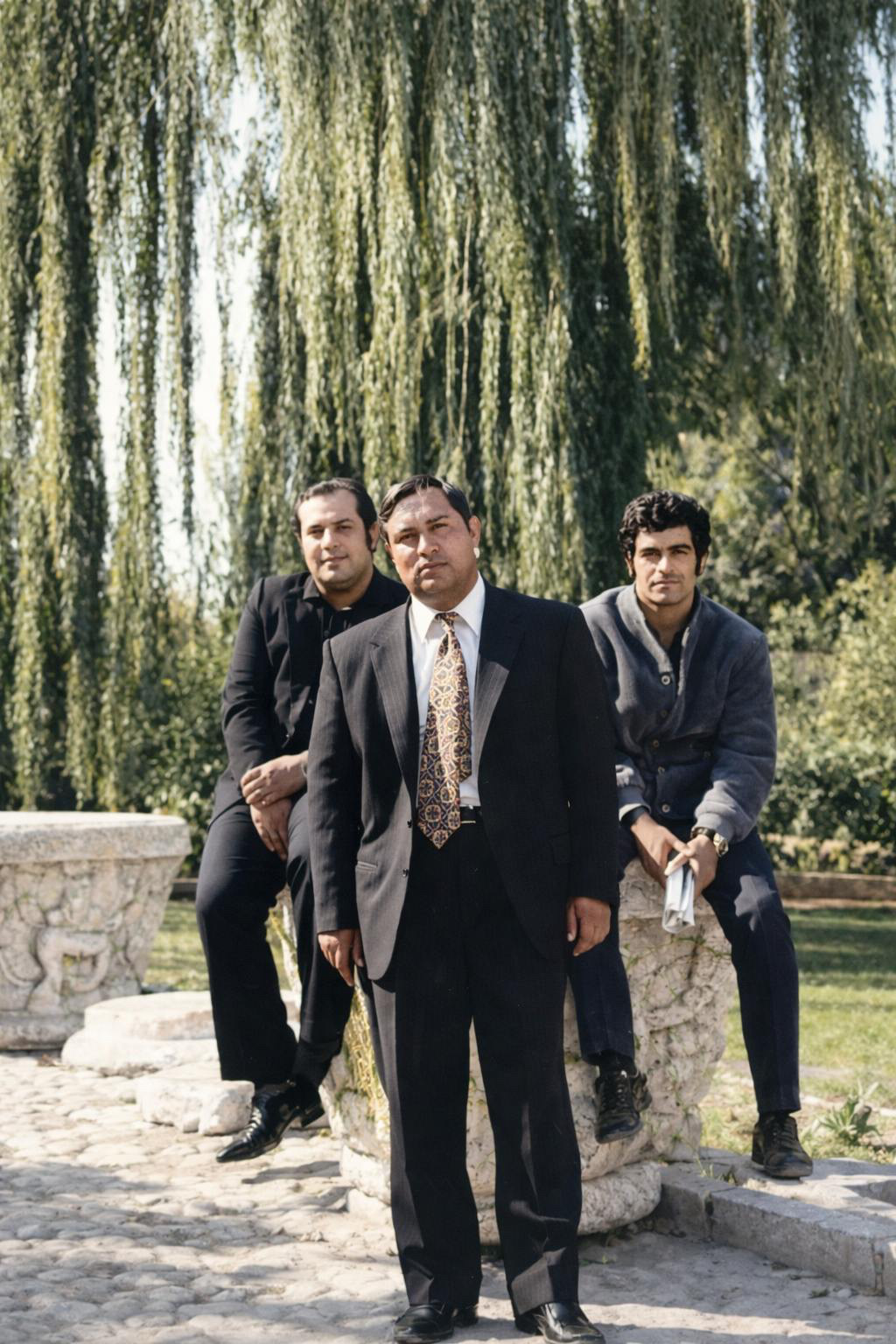
My father was an oil and gas engineer. He was amazingly kind and used to play with us all the time .
I never replaced the joy of playing in the spray from a garden hose with my father with anything else in life .He was athletic and taught us to enjoy and protect mother nature .
I lost him when I was twelve years old.
Twelve is a strange age to lose a father. You are old enough to understand that somebody has disappeared, but too young to understand how many years that absence will continue growing beside you.
People who knew my father still describe him to me as a lovely person. Decades later, I learned that people in his former office in Kermanshah had kept examples of his last handwriting and his signature.
There is something deeply moving to me about that.
A person leaves the world, but sometimes a few marks of a pen remain on a piece of paper, protected by people who still remember the hand that made them.
My Mother
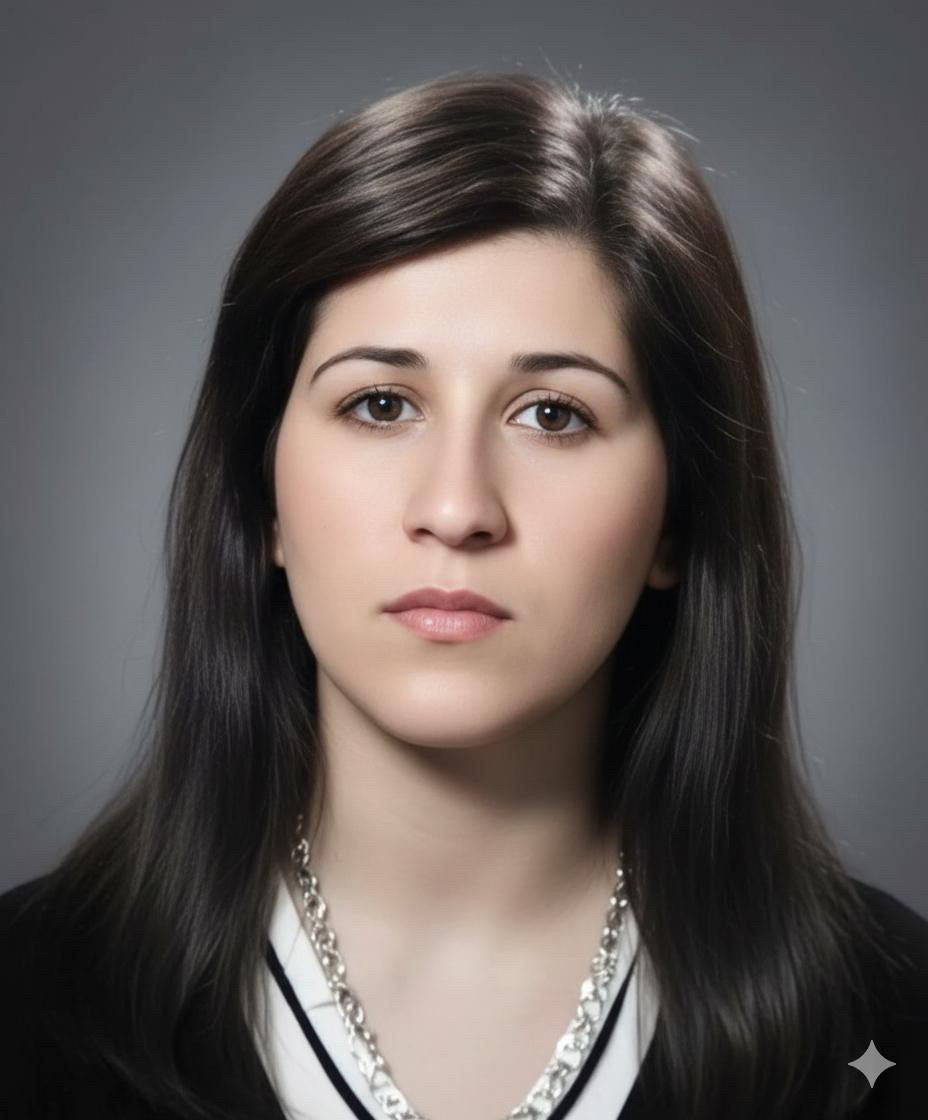
My mother was a surgical operating-room nurse.
My father worked with oil, gas, engineering, machinery, and infrastructure. My mother worked inside the human body.
I grew up between these two kinds of systems: engineering and care, machines and human fragility, structure and blood.
Perhaps technology and humanity were never separate subjects in my life.
My mother is a beautiful Lur and Kurdish woman, beautiful in face and in heart. She came from a poor family known in our family history as the Norouzi Gypsies. My family remembers that during Reza Shah’s era, when Gypsy communities were forced to settle, my grandfather changed the family name to Rami and continued his life as a farmer, while some of his brothers later immigrated to Kuwait. My grandfather became one of the golden stars of my life. After my father died, he protected my mother, my sisters, and me until his last breath. My father came from wealth and my mother came from poverty, but they fell deeply in love. My father insisted that he wanted no one else but her, and in many ways he created a Cinderella life for my mother. She later became a surgical operating-room nurse, and after losing my father she carried our family forward with the strength of a woman who had already crossed worlds before life asked her to survive another one.
Two Mothers
I also have what I call my Mother Milk family.
I did not feed from my mother's breast when I came into this world. Another woman breastfed me.
So God gave me two mothers: the woman who gave me birth, and the woman who gave me her milk.
She was also the person who first taught me art. She was a teacher. Her family protected me, cared for me, and loved me exactly as they loved one of their own children.
I never thought of this as strange.
I thought of myself as lucky.
I entered the world and somehow received two mothers.
My Sisters
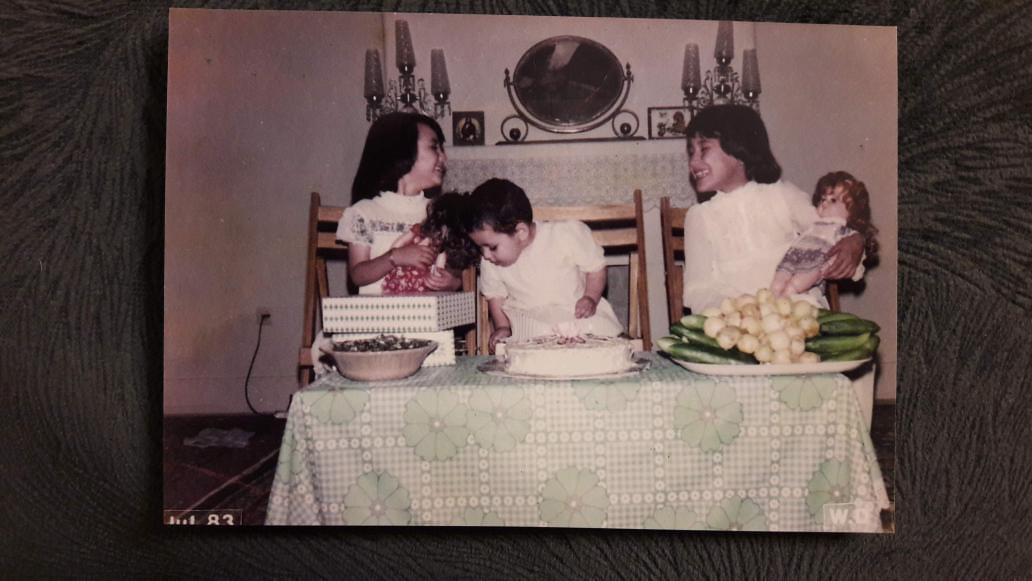
I have my mother and three sisters.
One of my sisters suffered a brain injury connected to the Iran-Iraq War. I grew up beside someone I call a real Angel.
I use that word deliberately.
Her mind does not understand cruelty in the ordinary way most adults eventually learn to understand it. She never developed the same machinery through which people learn calculation, malice, or intentional harm.
Most of us try to become good by resisting the possibility of doing something bad.
With her, I often felt that the bad thing itself had never fully entered the vocabulary of her mind.
Growing up beside her changed my understanding of innocence.
Born Into War
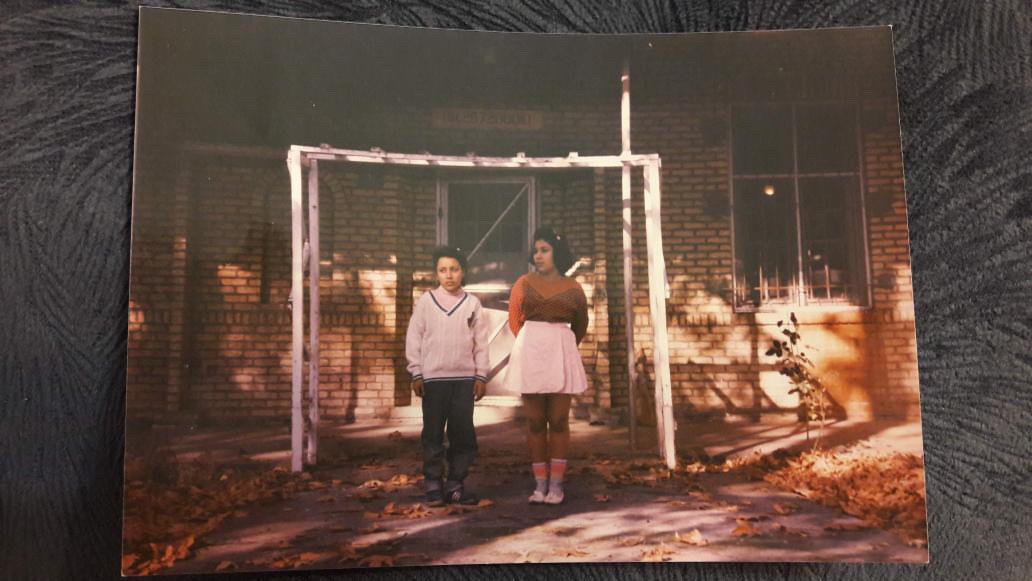
I was born during the Iran-Iraq War era, and my childhood developed inside the physical and psychological reality of war.
My family suffered severe losses. We lost our home three times under bombing attacks.
War is not an abstract historical subject when you grow up inside it. It changes the sound of the sky. It changes sleep. It changes what adults whisper about. It teaches children much too early that a house is not necessarily permanent and that tomorrow is never guaranteed.
Perhaps that is part of why I still become so excited by small things: a flower, a handmade object, a new road, a market, a conversation, a piece of art.
When you have learned how quickly things can disappear, ordinary existence becomes precious.
Education
I chose to become a C student from the first grade of elementary school.
One of the first decisions I remember making about school was simple:
I wanted to be everyone's friend.
I did not want my social world divided between the "best" students and everybody else. I wanted to know the A student, the C student, the child who struggled, the funny one, the quiet one, the rebel, the one who failed the exam, and the one nobody else seemed interested in knowing.
For me, connection mattered more than ranking.
Later, education stopped being simply a personal choice and became political. I experienced being barred from education in Iran, an experience that I connect to political discrimination and repression under the governments of Ayatollah Khomeini and Ayatollah Khamenei in the Islamic Republic.
I will write the complete story of my education ban as its own article because losing access to education does not only mean losing a classroom. It changes years of a person's life. It changes migration, money, work, confidence, timing, and opportunity.
India
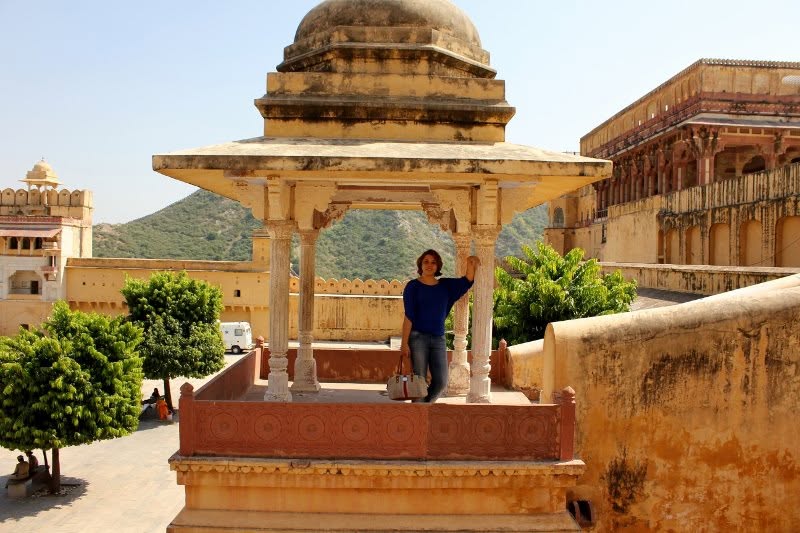
Approximately six years after the events that changed my educational future in Iran, I left for India.
I studied there. I worked there. I built another part of my professional life there, and I completed my university education while simultaneously working on projects.
The moment I left the airport in India, something old and strangely familiar began making sense to me. I understood emotionally what people mean when they speak about Indo-Iranian or Aryan cultural connections. I could recognize echoes between our civilizations—in language, food, literature, stories, customs, and the long history of ideas and games such as chess and backgammon moving across cultures.
Thousands of years of exchange suddenly felt less like something written in a history book and more like something I could recognize around me.
I love India.
It became part of my education, my adulthood, my independence, my work, and the map inside my head.
Journalism, Human Rights, and Working Children
Long before AI and cloud infrastructure became central to my professional life, another Atoosa was already working: the reporter.
I worked as a hidden reporter. I worked around technology and entrepreneurship news, social questions, and human rights. I interviewed people and learned to listen closely to the worlds they carried with them.
Among the people whose lives or work crossed my journalism were figures such as Mohammad-Reza Shajarian, Azimi in the Iranian carpet world, Mehdi Karroubi, and Abrishamchi, associated with entrepreneurship and Nokia's presence in Iran during an earlier period.
I intend to properly archive this work: not only names, but conversations, historical context, what Iran felt like at that time, what people feared, what they believed, and what they hoped would change.
For several decades, human-rights work existed beside my professional life. Sometimes visibly and sometimes quietly. I fought back in the ways that were available to me: through reporting, speaking, documenting, helping, questioning, and refusing to believe that silence is always the safest form of intelligence.
I also volunteered in work involving working children / children of the workforce, and I did this work with Dr. Adib.
Children working under difficult economic conditions occupied a special place in my attention. A child should not have to understand the adult economy too early, yet many children do. They work in streets, stores, workshops, markets, homes, and countless invisible places because the adults around them cannot provide enough.
This experience deserves its own story as well.
Technology, AI, and Building
Technology eventually became one of the strongest professional threads connecting the different parts of my life.
I have worked across project and program management, enterprise technology, cloud environments, networking, data centers, infrastructure, ERP, fleet technology, migration, operations, vendor management, and digital transformation.
I like complicated systems because complicated systems are made of relationships.
A network is relationships.
A company is a relationship.
A project is a relationship.
A failure is very often a relationship between two things nobody realized were dependent upon each other.
I like finding that missing dependency: the vendor who thought engineering had approved something, the engineer who thought procurement had ordered it, the team that believed another team owned the problem, the executive who believed everything was fine.
AI opened another chapter for me because I began moving from managing technology toward increasingly building technology myself.
I am especially interested in AI systems that can answer difficult questions about themselves: What happened? Why? According to what rule? Who approved it? Can a human stop it? Can we trace the source? Can we reproduce the decision?
Intelligence without accountability does not interest me for very long.
Side Projects and Due Diligence
Alongside my primary work, I also participated in side projects with Khazen Capital and with the company's vice president, including due-diligence work involving companies and products such as Lead and ROYBI, the educational robotics company.
This gave me another way of looking at technology: not only through engineering or project execution, but through product value, business viability, market potential, investment thinking, customer needs, and risk.
A beautiful technology product is not automatically a viable company. A technically modest product may contain a very strong business. Learning to look from several directions at once has always interested me.
AHI / Havana Syndrome and Homelessness
Between January 2020 and June 2026, I experienced what I describe as AHI — Anomalous Health Incidents — commonly discussed publicly as Havana Syndrome.
I consider myself a victim of it.
This period changed my life severely. It affected my health, my work, my stability, my relationships, my ability to function normally, my sense of safety, and my understanding of reality.
I lived through pain that I can only describe, from inside my own experience, as torture under AHI / Havana Syndrome.
There were periods when people in Mountain View heard my screams and my crying from pain. People around me and my friends supported me through an unknown experience whose cause none of us could understand. They were witnessing something they could see was real in my body and my distress even when nobody around us could explain what was happening.
I started posting about my pain across social media. I tagged anyone I thought might possibly know something or help me—from the FBI and other institutions to individual people.
No answer.
No knowledge.
And still, during those years, I continued trying. I studied. I completed professional certificates. I worked on projects. I worked in hospitality. I worked with fleet technology, networking, and other technology projects. I kept trying to remain inside professional life even when my personal life was becoming increasingly difficult.
In September 2024, I learned about the HAVANA Act of 2021. President Joe Biden had signed the law on October 8, 2021. It authorized certain federal agencies to provide payments to qualifying covered federal personnel, former personnel, and certain family members who suffered qualifying brain injuries. U.S. Department of State
I was not discovering a law written for my particular situation. What mattered emotionally to me was something different: I finally saw that the United States government itself had an official vocabulary for Anomalous Health Incidents and had created a legal framework for at least some people affected by them. The underlying causes of reported AHIs remain unresolved, and U.S. government reporting has continued to describe them as a poorly understood condition. Government Accountability Office
For me, that discovery meant:
Now I can name my pain officially, at least in the language everyone else can also use to refer to it.
During this same period, I experienced homelessness in the Bay Area.
I owe part of my life to people in Mountain View, to Hope's Corner, Mountain View CSA, shelters including Safe Harbor, and to volunteers, staff members, friends, and strangers who continued treating me as a human being while my life was extraordinarily difficult.
Mountain View did not only see a homeless woman.
People there witnessed my pain.
They witnessed the screaming.
The crying.
The confusion.
The attempts to continue working and studying while I was living through something none of us knew how to explain.
They supported me through an unknown incident that no one around me could even imagine the cause of.
Humanity should know the truth of what people experience, even when the answer has not yet arrived.
I will write the complete story.
I do not want to make these years prettier than they were.
And I do not intend to erase them because somebody may find them uncomfortable.
They happened inside my life.
Victim of American Media and the Internet
The Bay Area Incident
During the peak of COVID-19, while I was under extreme distress that I associated with AHI / Havana Syndrome, I had an encounter with a Palestinian woman.
I approached her and tapped or knocked on her shoulder because I believed she was looking at me in a threatening way. I asked whether she was hacking me and why she was looking at me badly.
The situation escalated, and I was arrested.
My account of the physical encounter is that she pushed me backward and put her hands around my neck, and I pushed her back.
The story that later appeared in Bay Area and American media was very different from my account. Reports stated that I wanted to remove her scarf. I maintain that this was 100 percent false. I did not attempt to remove her scarf.
The case was dismissed in 2022.
But a legal case can end while a search result remains.
That experience taught me something disturbing about modern life: the internet can preserve the first accusation more effectively than it preserves everything that comes afterward.
A person's life can become five headlines.
Years disappear.
Context disappears.
Work disappears.
Family disappears.
Health disappears.
Accomplishments disappear.
Complexity disappears.
Then a stranger reads two paragraphs and believes they have met you.
This is why my website matters to me.
I do not expect to control what everybody thinks about me.
I do expect to have the right to participate in the written record of my own life.
AtoosaBiglari.com is a perfect opportunity that our innovators facilitated for me ,It is where my voice gets to exist beside the voices that have already written about me.
Friendship
The hardest years of my life taught me something beautiful.
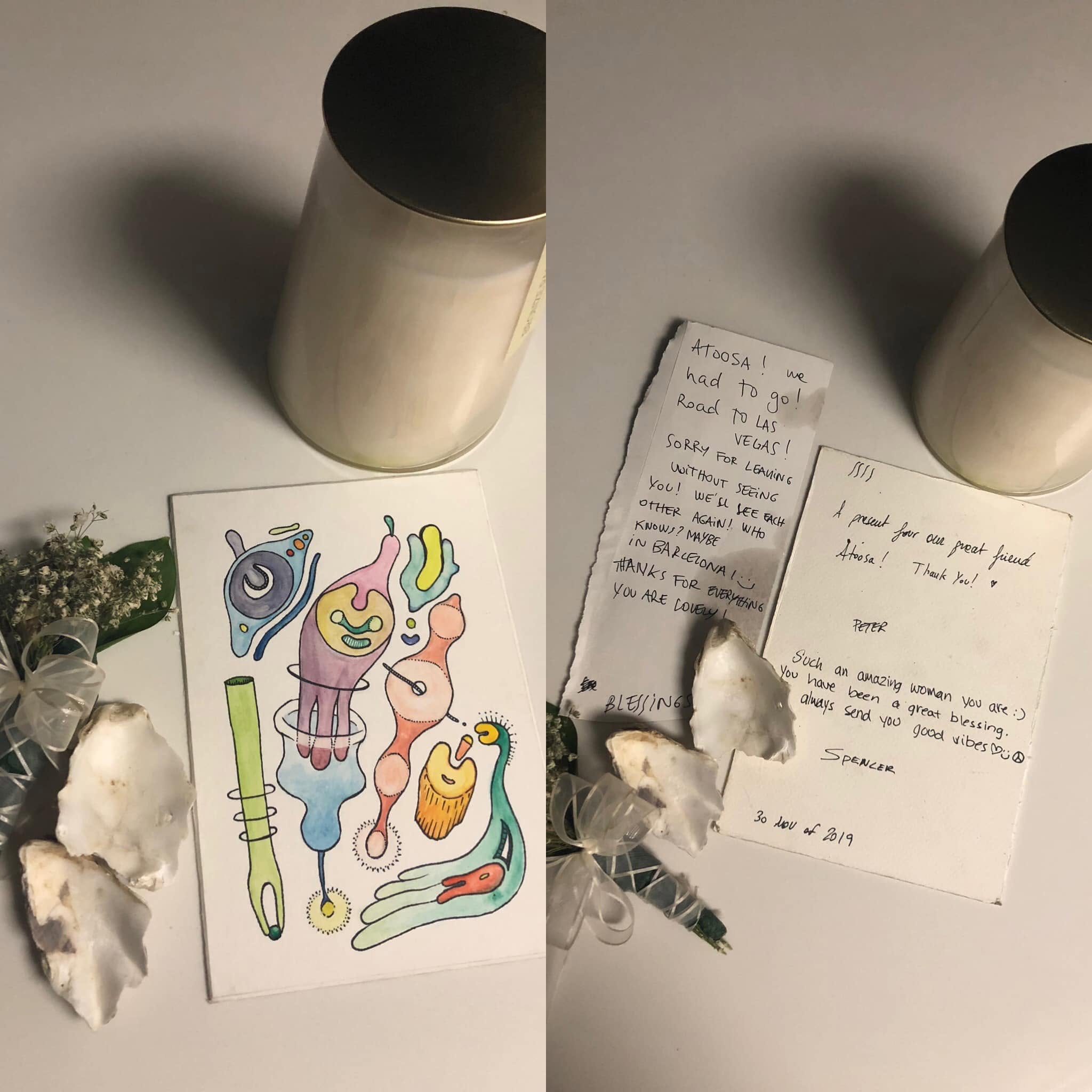
I have real friends.People who did not disappear when my life became difficult.
People who did not decide that struggle made me less worthy of friendship.
People who checked whether I was alive, whether I was trying, whether I was studying, whether I was working, whether I was moving forward, whether I had given up.
Some people did whatever they reasonably could simply to make sure I remained connected to life.
Comfort is not always a good test of friendship.
Pressure is.
Hardship showed me what was actually holding. I realized i dont want those who left me behind back into my life even and now God chose me to be surrounded with real friends .
What Survived — And What This Website Is
After war, losing my father, losing homes under bombing, political pressure, an education ban, migration, rebuilding life in another country, career changes, AHI, homelessness, public controversy, and starting over more than once, something in me remains stubbornly alive: curiosity.
I still love technology. I still want to build. I'm that weirdo who wants to find her friendship with AI sounds impactful .
I want to write about AI, infrastructure, cloud, enterprise transformation, governance, data, program management, products, human-machine collaboration, and the future of work.
And I want to write about AHI, homelessness, education, Iran, India, America, California, world and universe war, human rights, working children, journalism, art, markets, food, travel, family, faith, friendship, culture, loss, and survival and be able to share those in my personal website with my network and those who maybe accidentally connect with me .
I want to see the world with my family. I want to walk through neighborhoods, visit exhibitions, eat local food, meet people, understand history, listen to music, look at buildings, and discover how people live.
I have lived too much life to compress myself into a résumé.
AtoosaBiglari.com is where my different lives meet.
- Technology and art.
- AI and humanity.
- Professional work and private history.
- Iran and India and America.
- Success and homelessness.
- Pain and humor.
- Faith and uncertainty.
- What I built.
- What I lost.
- What survived.
- What I still want to discover.
I do not want to create a polished fictional woman and place her online under my name.I want the real person.
Oh ! I forgot to tell you I already visited Iraq, Dubai, Armenia and Turkey as well and I never participated in Islamic Republic elections and I use Google search engine and look up different peoples everyday several times 😂